The Hellenistic World
Alexander Successor Kingdoms Ptolemies Seleucids India
And what happened next? In this enquiry into Money and Freedom, there is a constant question as to the forms of society and the nature of government: what works and what does not? And in trying to elucidate what really happened after the momentous events of the Fifth Century, we come to one of the most difficult narratives of all. In a way it should be the story of the great triumph – how the Greek civilisation spread over much of the then known world, spreading from Greece to India and down into Egypt.

Yet somehow, the straight thread of the story is crooked: there is a sense almost of anti-climax. The central part of the story is the amazing career of Alexander the Great, who conquered the whole of the known world by the age of 32 – and then died. And how his Empire then split up but staggers on, only to be assumed within the Roman Empire – though leaving behind half his Empire to become a newly revived Persian empire. Yet how far was Alexander Greek? And how far was his Empire Greek, and how far did it foreshadow the eventual achievements of the Roman empire? This is a rather more interesting story than the one that is told in the conventional accounts.
The fifth century ended with the defeat of Athens by the Spartans, but the Spartans were magnanimous in victory and simply insisted that the Athenians pull down their Long Walls and install a sensible form of government, not the stupid idea of democracy. Throughout the Greek world, Sparta installed sensible government, that is a group of ten men – the Elders – who would govern wisely. But Athens was rather big so they installed a group of thirty men who became known as the Thirty Tyrants and who ruled, well, tyrannically. They did not last long. Thebes, a city famed in mythology which lay fifty miles north west of Athens, came to its help, the Thirty Tyrants were expelled, democracy of sorts was reintroduced and promptly showed the stupidity of democracy by executing its most prominent thinker and philosopher, a political agitator called Socrates. He had long been corrupting the youth by encouraging them to think for themselves – though his views sometimes seemed to come dangerously close to favouring the Thirty Tyrants – so he was therefore charged with corrupting youth before a jury of the usual 501 citizens. Socrates defended himself provocatively, was condemned by a small minority, and instead of fleeing into exile, determined to defy his accusers by staying in Athens and drinking the hemlock poison, thereby proving the stupidity of democracy.
The next thirty years were the glory years of Thebes, which rose to pre-eminence under enlightened leadership and good generalship, challenged Sparta and won: unlike Athens, they defeated the Spartan army decisively at the battle of Leuctra in 370 BC. They then marched down into Messenia and freed the Messenians who for the past 400 years had been the Helots, who farmed the fields and provided the Spartans with their food.

A new city of Messene was founded which flourished exceedingly and soon became ‘smarter than Sparta’. Today Messene – which lies fifteen miles from modern Messene – is one of the finest ancient towns in Greece to visit, quite unlike Sparta where the main remains are the Roman theatre.
The Theban supremacy did not last long until it was challenged by a rising power to the north: Macedonia. It is always a bit of a problem to know how far the Macedonians were Greeks: the Macedonians thought that they were Greeks, the Athenians definitely thought that they were not. But Macedonia had two great rulers, father and son who between them totally reshaped the story of Greek history: their names were Philip and Alexander.
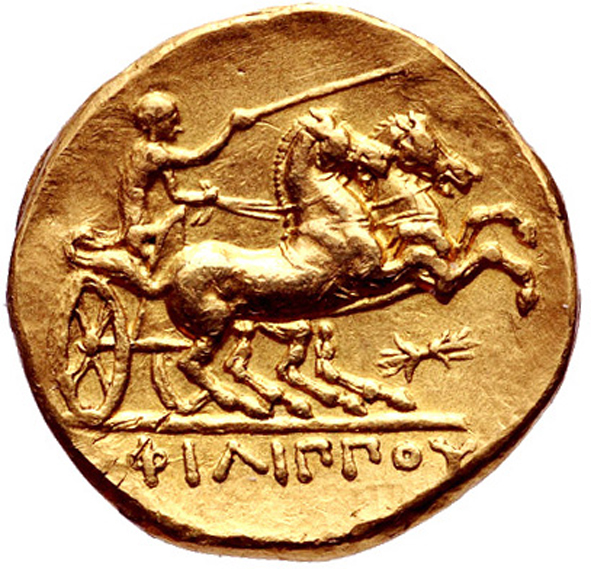
It was Philip who established Macedonia as a major power. Philip was born in 382 BC and spent his early years as a hostage in Thebes – which turned out to be a very good education. In 364 BC at the age of twenty four he returned to Macedonia, and three years later he grabbed the throne. Then year after year, he spent most of his time fighting, losing an eye in the process. There were enemies to the west, to the north, and to the east, but one by one he defeated them all.
The big problem was Athens, to the south, where one of the world’s greatest orators, Demosthenes was violently anti-Macedonian, and his finest speeches – still studied as superb examples of classical Greek were delivered against Philip, – indeed the term Philippic is still sometimes used for virulent invective.
However at the Battle of Chaeronea in 338 BC Philip defeated the Athenians who lost their independence. However two years later Philip was assassinated and the kingdom would probably have disintegrated was it not for the fact that his twenty year old son Alexander was one of the greatest generals of all time.
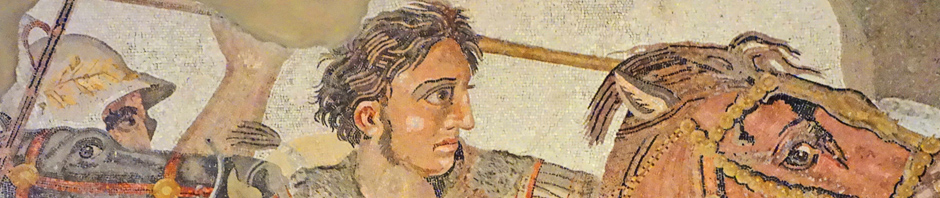
Alexander
Alexander had the best of all educations: he had a private tutor who was none other than Aristotle, the greatest philosopher of all time, and it is just possible that some of Aristotle’s teaching may have been responsible for some of his future success as an administrator. Alexander lost no time in making it clear that he was his father’s successor, and in two years he established his control not only in Macedonia, but also in the whole of Greece apart from Sparta, which was left independent but impotent.

He then set out to complete his father’s work of confronting the Persian Empire in revenge for their earlier attack on Greece. In 334 BC at the age of twenty-two he crossed the Hellespont into Asia with a large army and at the Battle of Granicus he won his first major battle over the Persians and captured Sardis and with it the whole of northwest modern Turkey. He then swept across the whole of Anatolia (Turkey) down to the south, diagonally to the northeast, and then down to the south again to the borders of north Syria, where he fought his second major battle at Issus. At the previous battle at Granicus he had been fighting against one of the Emperor’s generals, but here he faced an army commanded by the Emperor Darius himself. It was the top Persian army and Alexander won a stunning victory. Darius fled but Alexander captured his wife and his daughters and subsequently married the prettiest daughter. (This shows how clever Alexander was – you have not just got to win the war, you have got to win the peace too, and how better than by marrying the King’s daughter?).
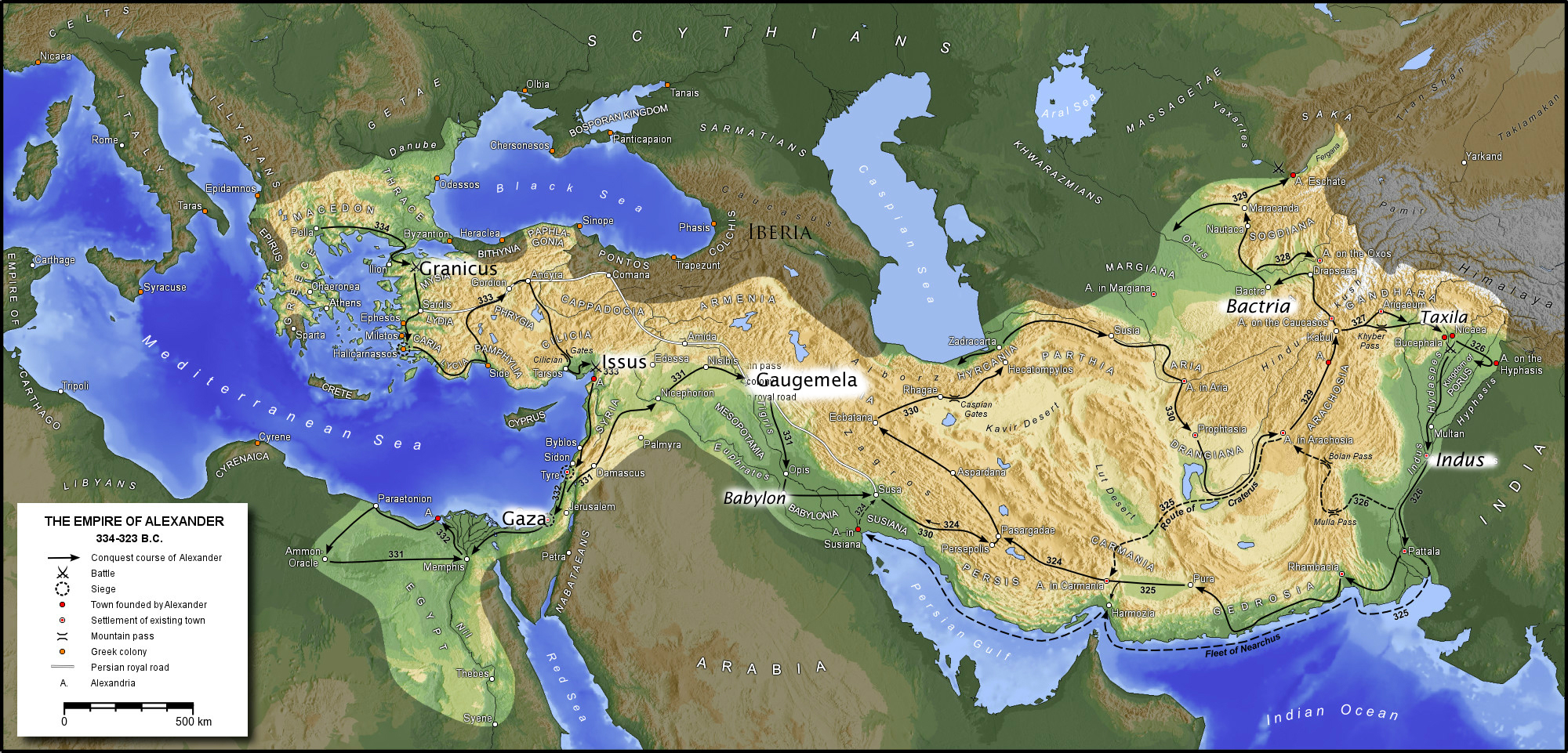
Alexander then set off to the south, to Egypt, capturing on the way the major settlement of Gaza after a short siege and then rapidly making himself master of Egypt which had been a Persian province. He founded a new town modestly calling it Alexandria, which was soon to become one of the greatest towns in the world. Then back to Mesopotamia to the heart of the Persian Empire where in 331 BC he won the biggest and most decisive victory of all at Gaugamela which was followed by the capture of Babylon. Darius fled but was soon after assassinated by one of his friends with whom he had taken refuge. Alexander marched on, and in 330 BC captured Persepolis which he burnt to the ground.
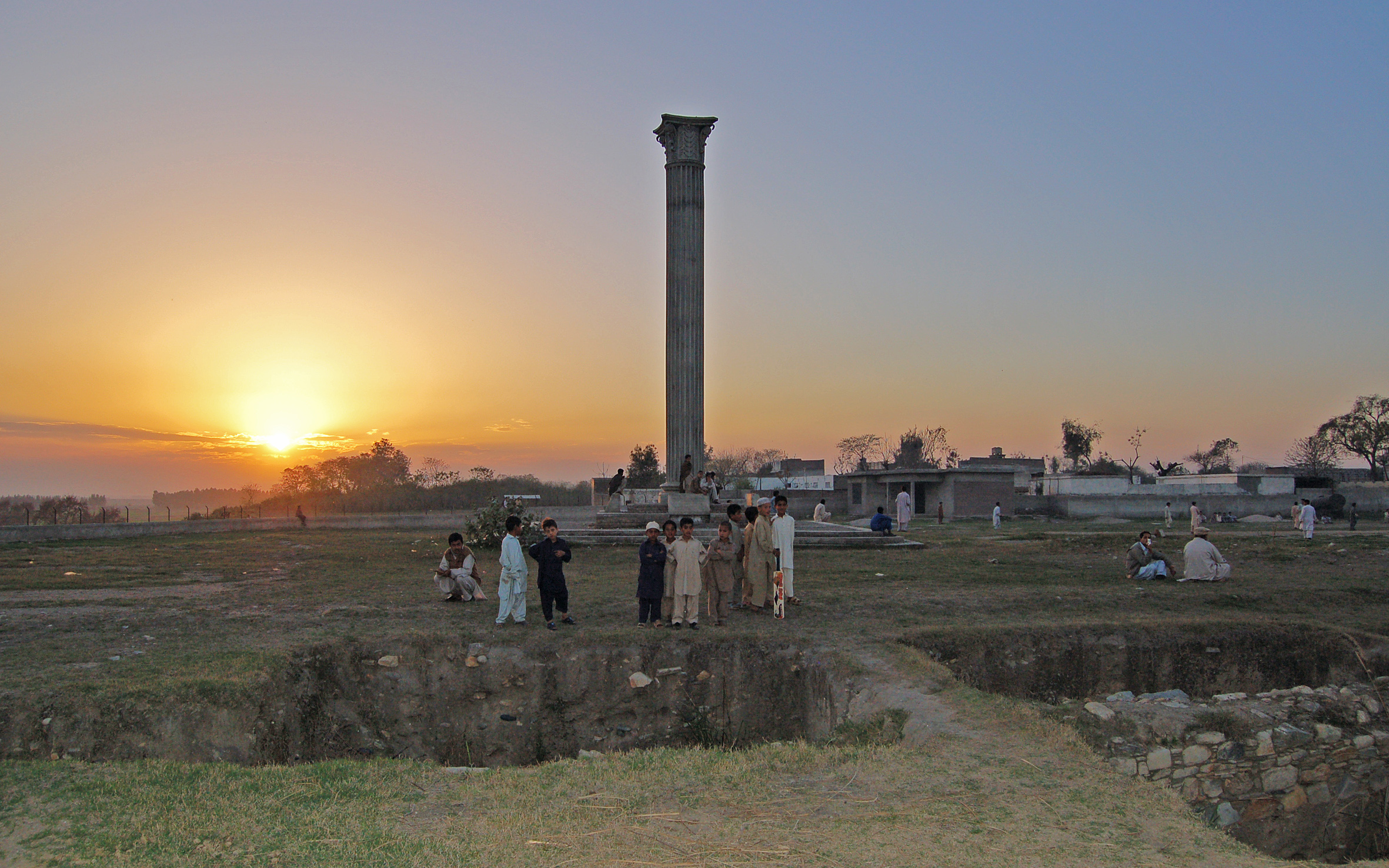
He then set off to the east and the next four or five years were spent rampaging round the huge area of modern Persia, Afghanistan, and Pakistan, fighting battles, subduing kingdoms and above all founding new cities; and it was in the foundations of these cities that he perhaps left his biggest influence. Eventually he reached the banks of the River Indus and here his adventures came to an end. The army went on strike, they had had enough. They had been fighting and campaigning for nearly ten years now and they wanted to go home to see their wives and their families again and to take a bit of a rest. Alexander regretfully was forced to agree but he then spent a couple of years marching back along the southern route through the deserts until eventually in 323 BC he reached Babylon and here after a drunken orgy he fell into a stupor – perhaps he was poisoned – and ten days later at the age of 32, he died. The army staggered home, laden with loot. The adventure was over.
The Successor Kingdoms
At this point, conventional history sees decline and fall: but was it? Alexander’s empire rapidly split up into the empire of the ‘successors’. Macedonia became the smallest, but still the core kingdom; Egypt soon split off to become the Egyptian Empire which became the most successful or at least the richest kingdom of all. But the biggest kingdom was the Seleucid Kingdom which comprised virtually all the former Persian Empire, and which now entered a time of considerable prosperity.
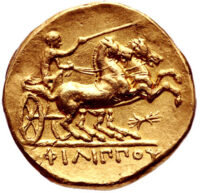
But how far were these kingdoms ‘Greek’? Much of the structure was taken over from the Persian empire – but how far did they also participate in Greek culture? Were they still palace towns based on a tribute economy, or did they take on some of the characteristics of a Greek polis? The secret of the polis was that it combined market economy with democracy, which produced a new way of thinking, a new sense of entrepreneurship, a new relationship between patron and producer. Certainly in the successor kingdoms a lot was taken over from the Persian Empire: but is there also a new spirit, new artistic ideas, a new outburst of vigour? We need to investigate how the actual structure of society worked.
The smallest but most prestigious of the successor kingdoms was Macedonia itself which was seized by Antipater, one of Alexander’s generals. The question remained as before – how far was Macedonia Greek? Here archaeology can begin to offer some interesting answers.
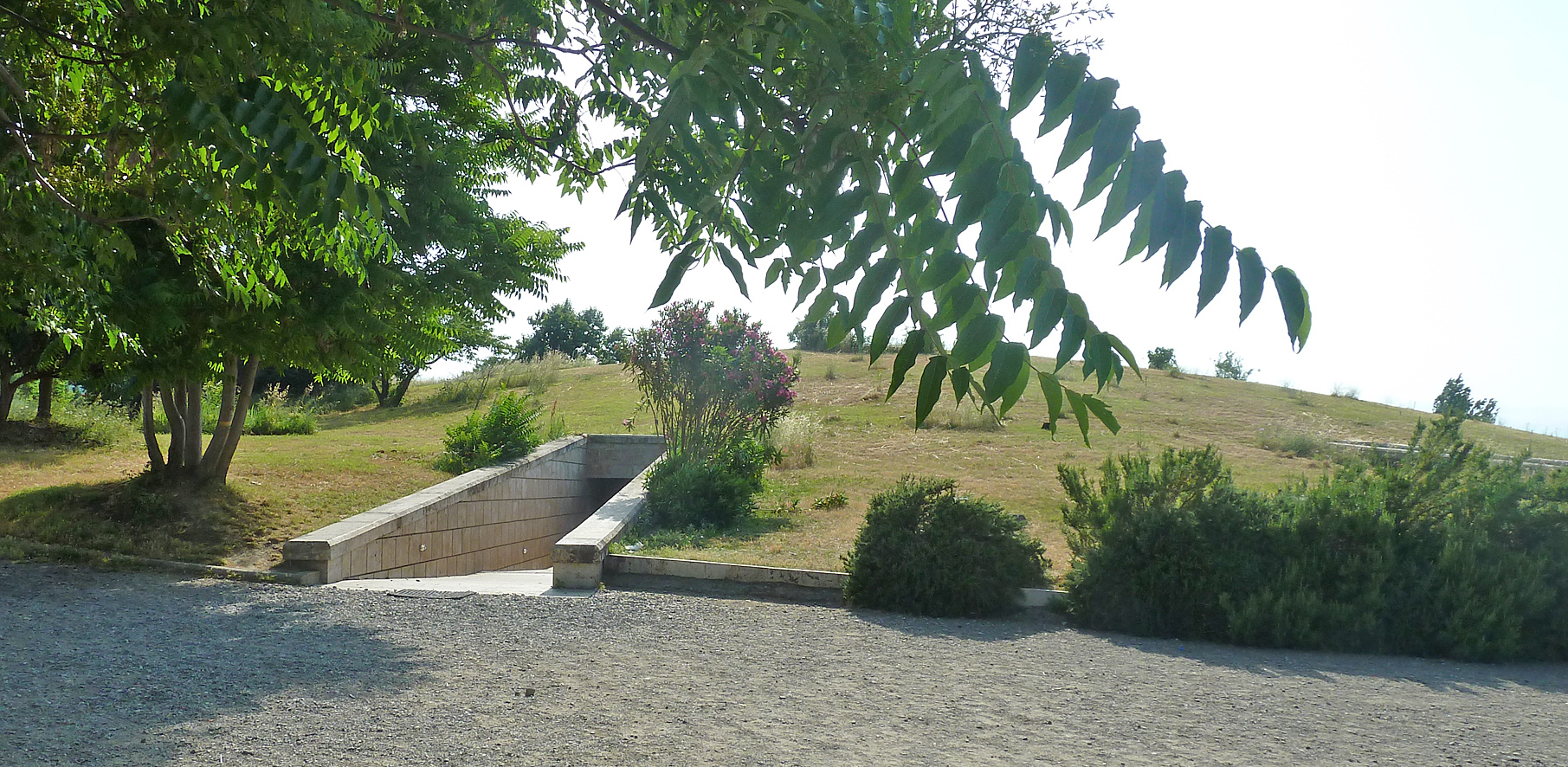
There were two centres of power in Macedonia: at Aigai and at Pella. The old capital was at Aigai – modern Vergina – thirty miles inland from the sea and fifty miles west of modern Thessalonica.
However around 400 BC most of the functions of a capital city were transferred to Pella, forty miles to the north east, at the head at what was then an inlet to the sea, now long silted up. However at Pella, Macedonian schizophrenia was displayed to the full: was it a palace-based society, or was it centred round a market place? Pella had both. On the top of the hill was a large palace based round four courtyards and this is where Alexander was born.
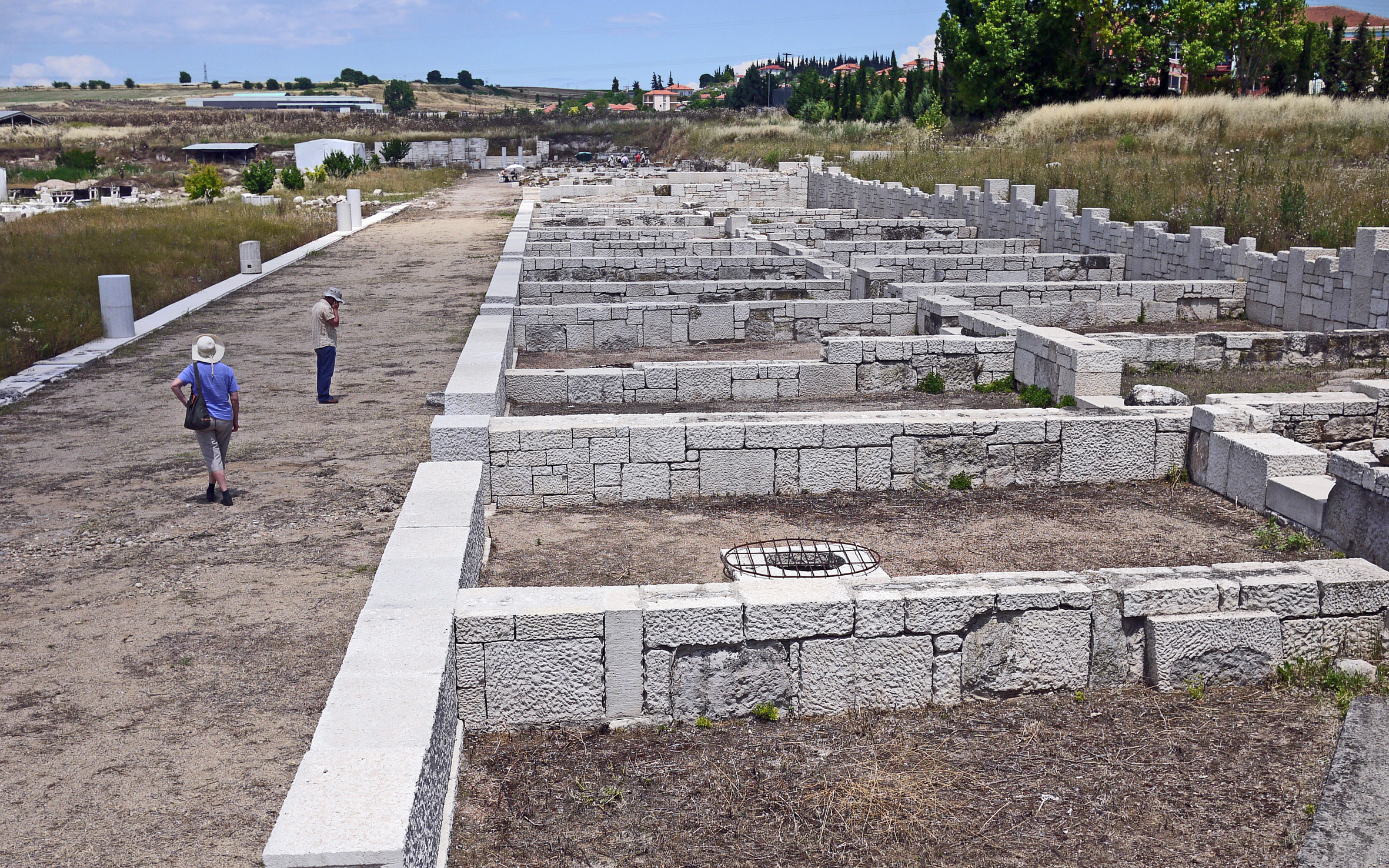
However to the south was rather a large agora or marketplace which formed the centre of a block of rather posh town houses, many with fine mosaics. Pella tried hard to be a proper Greek town, but somehow it always remained a little bit below the salt.
But how about Greece itself? Following the death of Alexander, the story of Greece is rather an anti-climax. For the next hundred years the history is a chaotic story of Macedonia versus the rest, with the rest of Greece forming and reforming into various leagues, with the Aeolian and the Achaean leagues being particularly prominent. At Sparta there was a population crisis as the number of full bloodied Spartiates declined, but King Cleomenes III carried out major reforms and made Sparta almost normal – he even introduced coinage.
But increasingly Rome was hovering in the wings. For much of the third century, Rome was indeed preoccupied with fighting Carthage, but in 202 BC Carthage was finally defeated and Rome turned its attention to sorting out Greece. In 197 BC the last semi-competent Mycenaean King, Philip V was defeated at the Battle of Cynoscephalae, but the Romans greatly admired Greece – and they were very clever diplomats – so instead of making Greece a province, they declared it ‘free’.
Garrisons were left at Corinth and at Chalcis, but eventually the system broke down and in 146 the Romans won a major battle, and Corinth was razed to the ground and remained uninhabited until it was re-founded by Caesar in 44 BC. Greek history comes to an end – though Greek affluence begins
What happened in Egypt
The wealthiest of the successor kingdoms was Egypt, where one of Alexander’s generals founded the Ptolemaic dynasty. Ptolemy was one of Alexander’s leading generals, eventually becoming one of Alexander’s personal bodyguards. But on Alexander’s unexpected death, he was one of the ones who insisted that the Empire should be split up and that he should have what he considered to be the best part, that is Egypt. He also managed to steal Alexander’s body and have it buried in Alexandria rather than in Macedonia. But if Alexander had founded Alexandria, it was Ptolemy who decided that it was to be the capital of Egypt and who built it up to become not only the greatest city in Egypt, but the greatest city in the Greek world, second only to Rome in the Roman world.
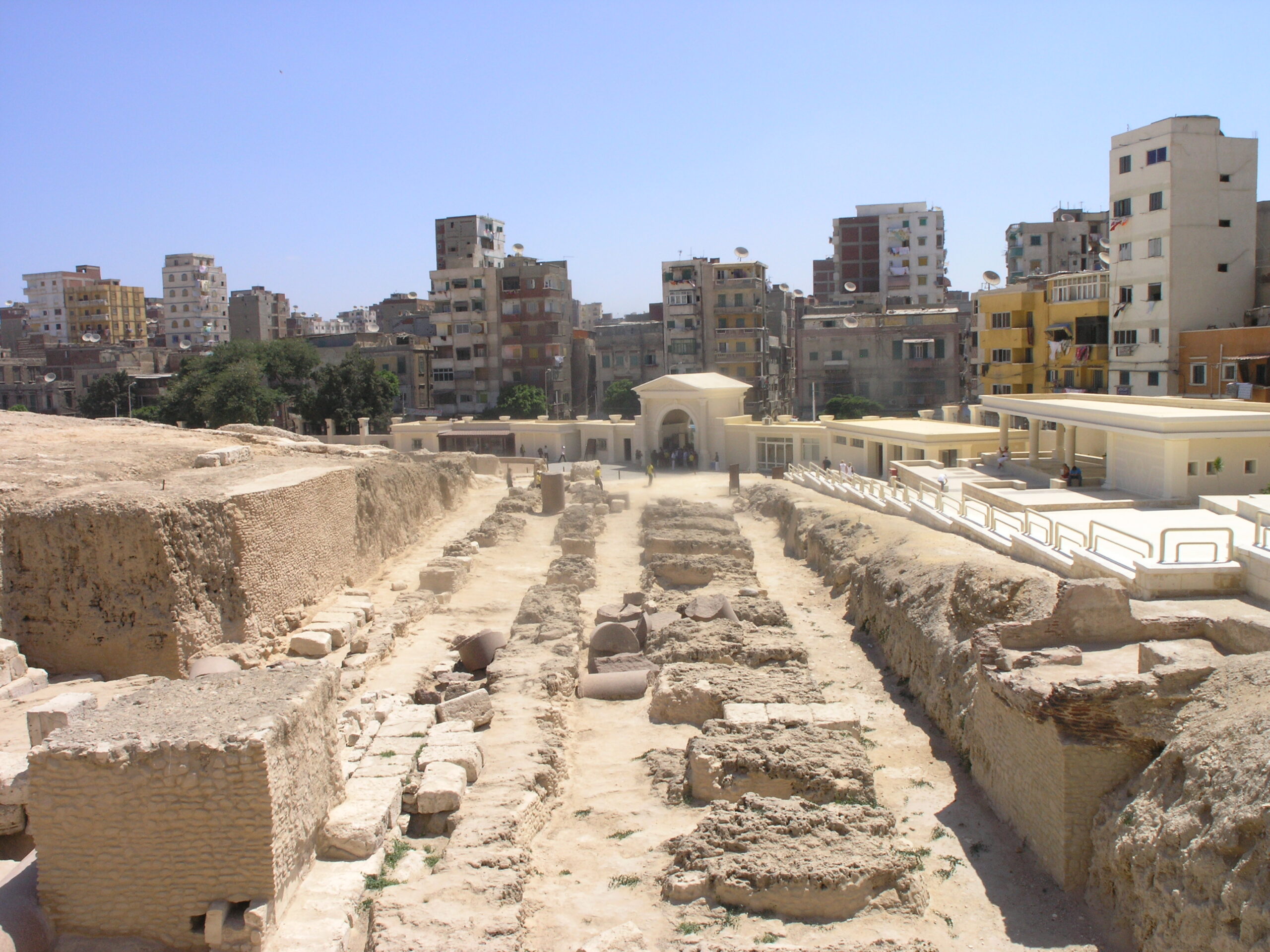
His biggest innovation was to make Alexandria the tops in the intellectual and cultural world and he did this by founding a library which soon became the biggest library in the world. Attached to it was a home for all the scholars: this was called the ‘home of the muses’ or the Mouseion, hence our word museum – though in many ways it should be considered the world’s first university – there were said to be over 1,000 scholars there. This was a really brilliant idea for he soon attracted not only the top poets, Theocritus, Callimachus and Apollonius of Rhodes, but also the top scientists, including Archimedes and Euclid. He also built a huge lighthouse at the entrance to the harbour. The Pharos, three stories – nearly 400 ft high – the second tallest building in the world after the Pyramids.
The economy clearly flourished under the early Ptolemies. The land of Egypt is incredibly fertile with the soil being replenished every year at the annual flooding of the Nile. But the Ptolemies were able to extract a huge surplus to fund all their extravagancies – the library, the museum, the huge lighthouse, to say nothing of the building of Alexandria itself, and the funding of their military adventures overseas.
The use of money of money was pushed quite aggressively, particularly in the payment of the salt tax which came in effect a poll tax which had to be paid in money. A major change too came in the replacement of corvée labour which is one of the core characteristics of the pre-money economy when you had to work seven days a year on public service – constructing dykes and canals. This was commuted into a monetary payment and laborers were actually paid for repairing these dykes.Did the monetisation itself bring about his great economic leap forward? I would like to think so. There was certainly a great increase in efficiency and wealth
The Seleucid dynasty
The largest of the successor kingdoms was that formed by the Seleucid dynasty, which took over the core of the Persian Empire, a huge area stretching from the Aegean right across to India. To a large extent, they took over the structures of the Persian Empire but added Greek ideas at the top.
The capital of the Seleucid Empire was at Antioch, in the corner of the Mediterranean between Turkey and Syria. It became one of the largest towns in the Roman Empire but unfortunately it is today covered by a modern town and its archaeology is little known – though it has produced some fine mosaics.
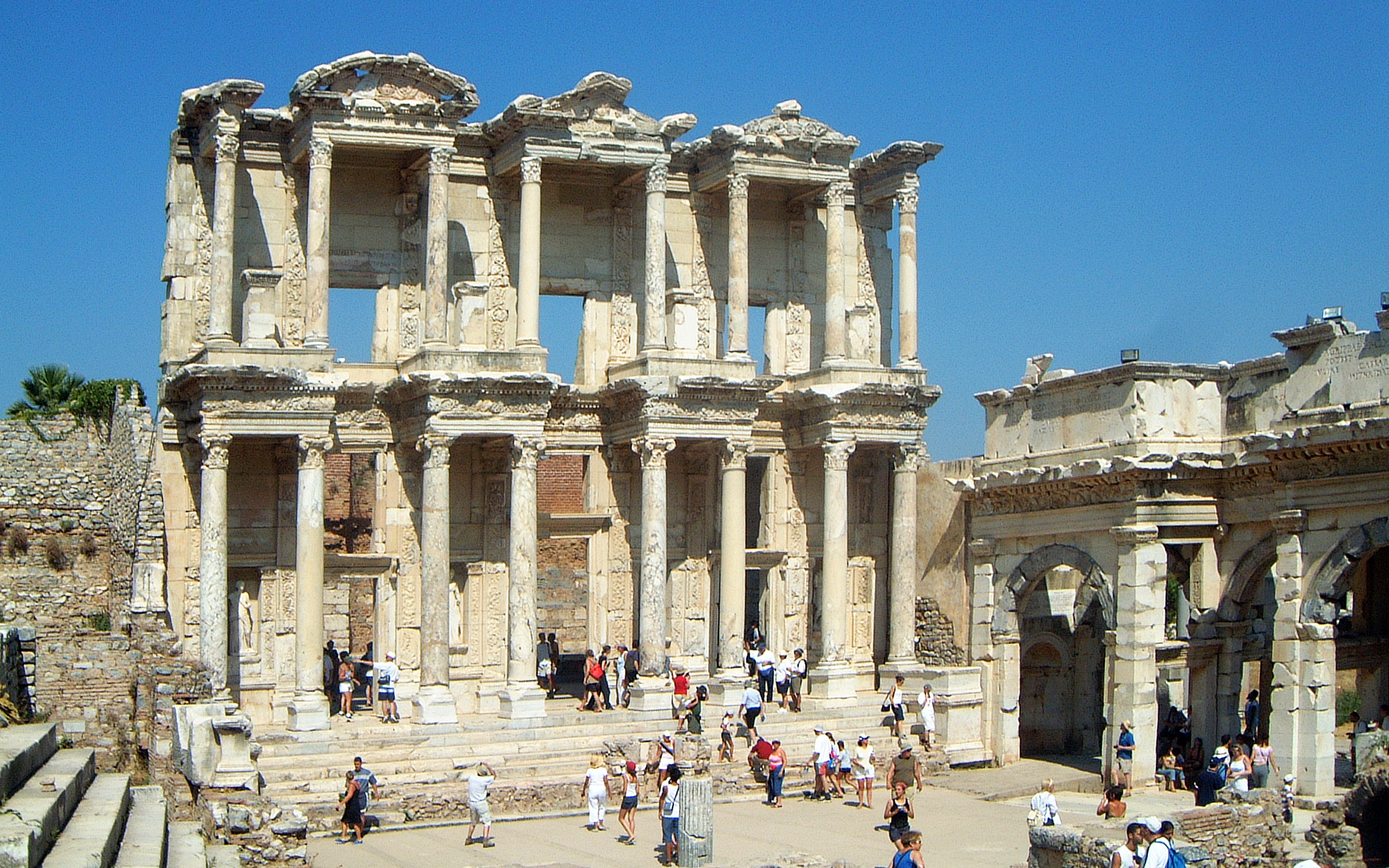
The best known city is probably Ephesus, which was very much a Greek town on the Aegean coast which varied between the Seleucid and the Ptolemaic empires. Many of the Greek towns on the Aegean coast became more-or-less independent. One of the largest was Pergamum which was built up as a kingdom by King Attalus in his fight against the Gaulish invaders. He sponsored the building of a fine stoa at Athens and on his death, as he did not approve of any of the potential successors, he left his kingdom to Rome under which it flourished.
The Indian venture
We cannot leave the story of Alexander the Great without looking briefly at his adventures in the East and the surprising influence he left behind of Greek culture in India. This comes in two parts, first the emergence of a Greek-influenced kingdom in Bactria, and then the surprising influence of Greek Sculpture in India itself.
The Persians had extended their empire over the desert beyond Arabia and down into India and they established satraps or provinces, even down into India. Alexander was determined to conquer them all.
The most important was Bactria which he spent two years conquering. Bactria is a surprisingly fertile country in the north west of the Himalayas around the river Oxus, today mostly northern Afghanistan and Uzbekistan. Bactria is one of the most interesting of Alexander’s conquests: when the British scholars of the East India Company first began studying the history of India and Afghanistan, they found numerous coins of the Bactrian kingdom, many of them of gold, from which the history of Bactria could be determined.
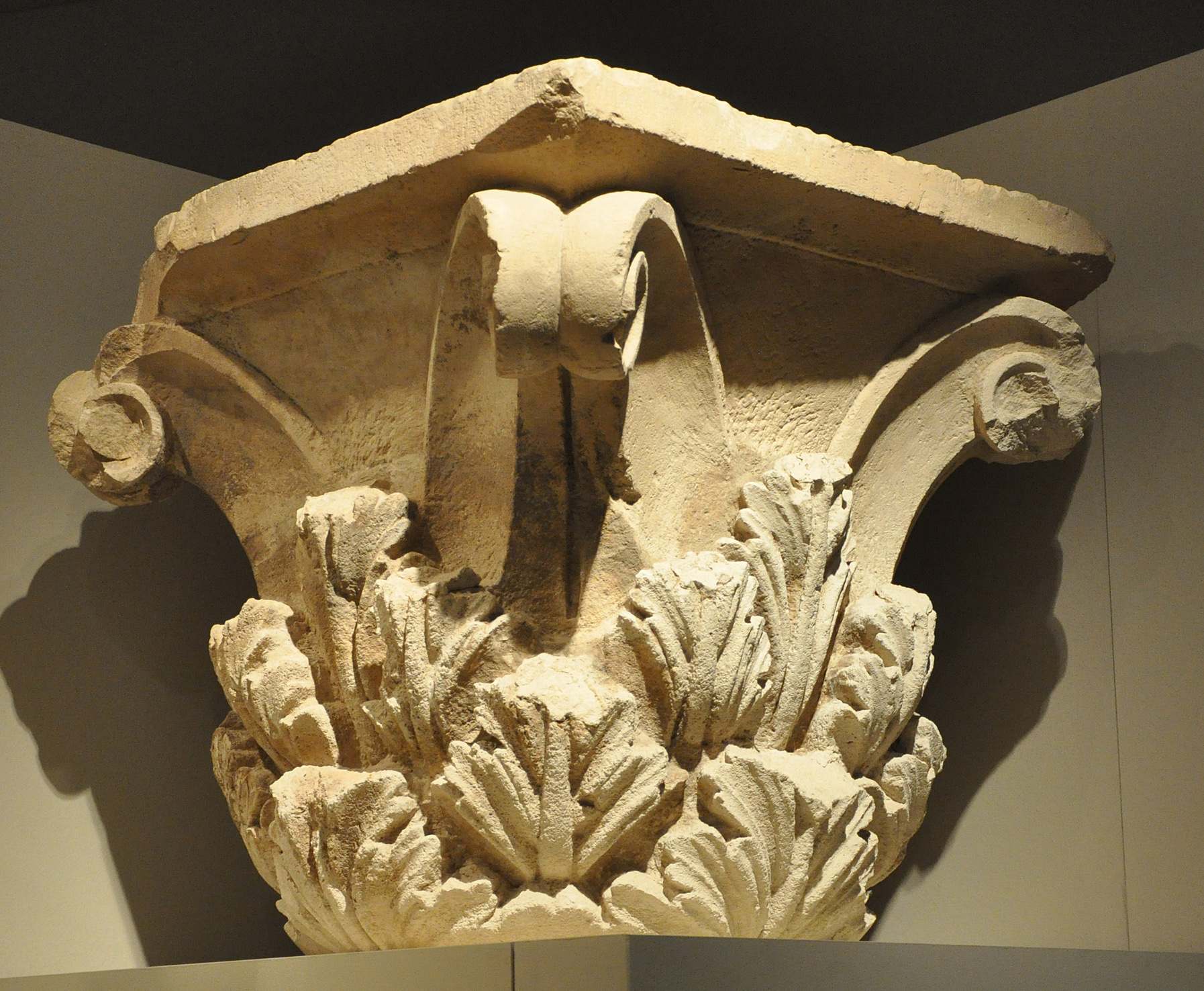
It proved rather more difficult to track down the remains of the kingdom, but eventually some well-preserved remains of one of the Bactrian towns were discovered at Ay Khanum. This lies on the banks of the River Oxus, the Amu Darya, on the border between Afghanistan and Tajikistan and was excavated by Paul Bernard and the French archaeological delegation to Afghanistan between 1965 and 1979. It was centred on a fine palace with a grandiose forecourt surrounded by a colonnade with elaborate Greek style Corinthian capitals. No marketplace has been discovered, though the site has only been partially excavated.
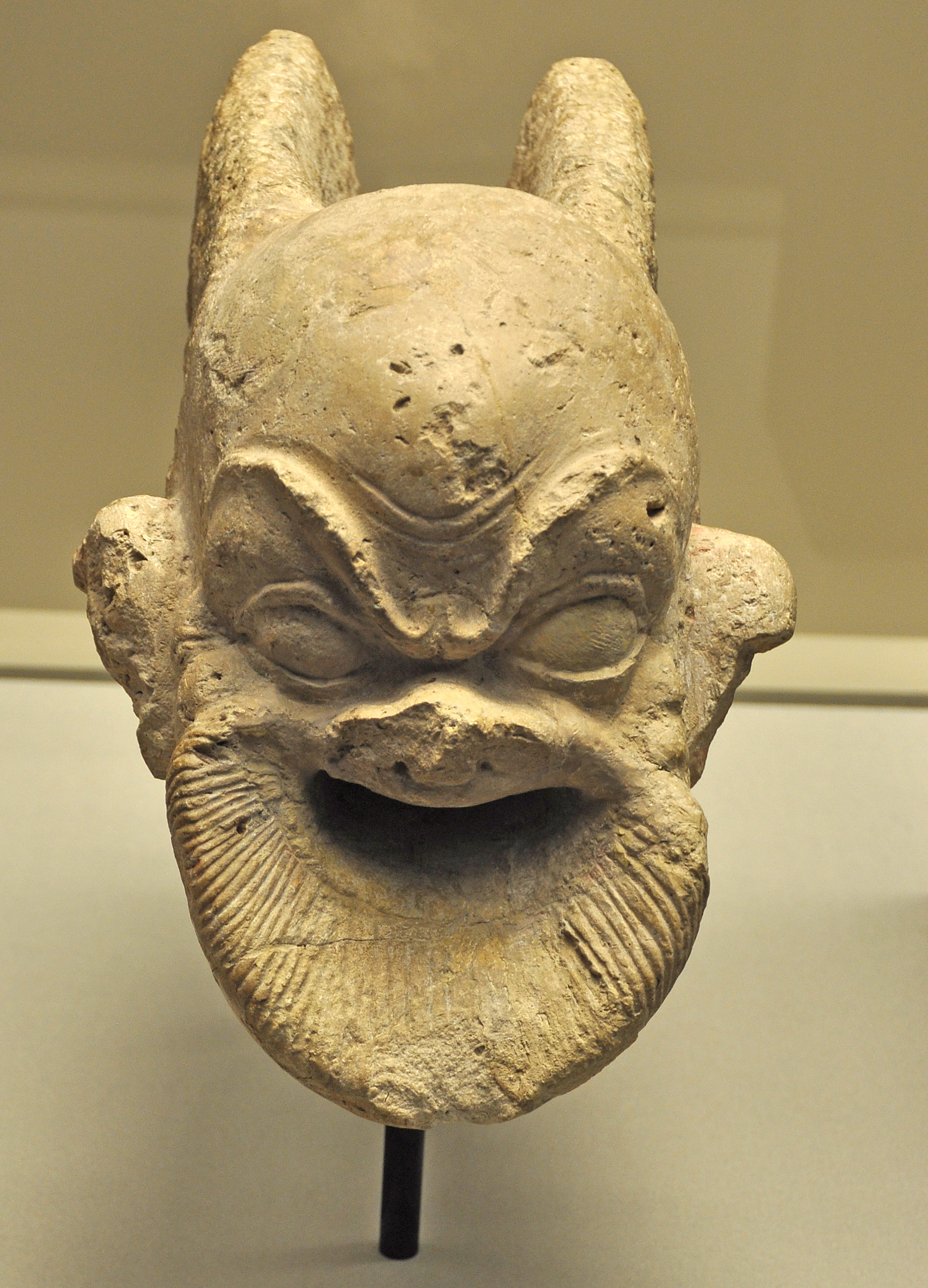
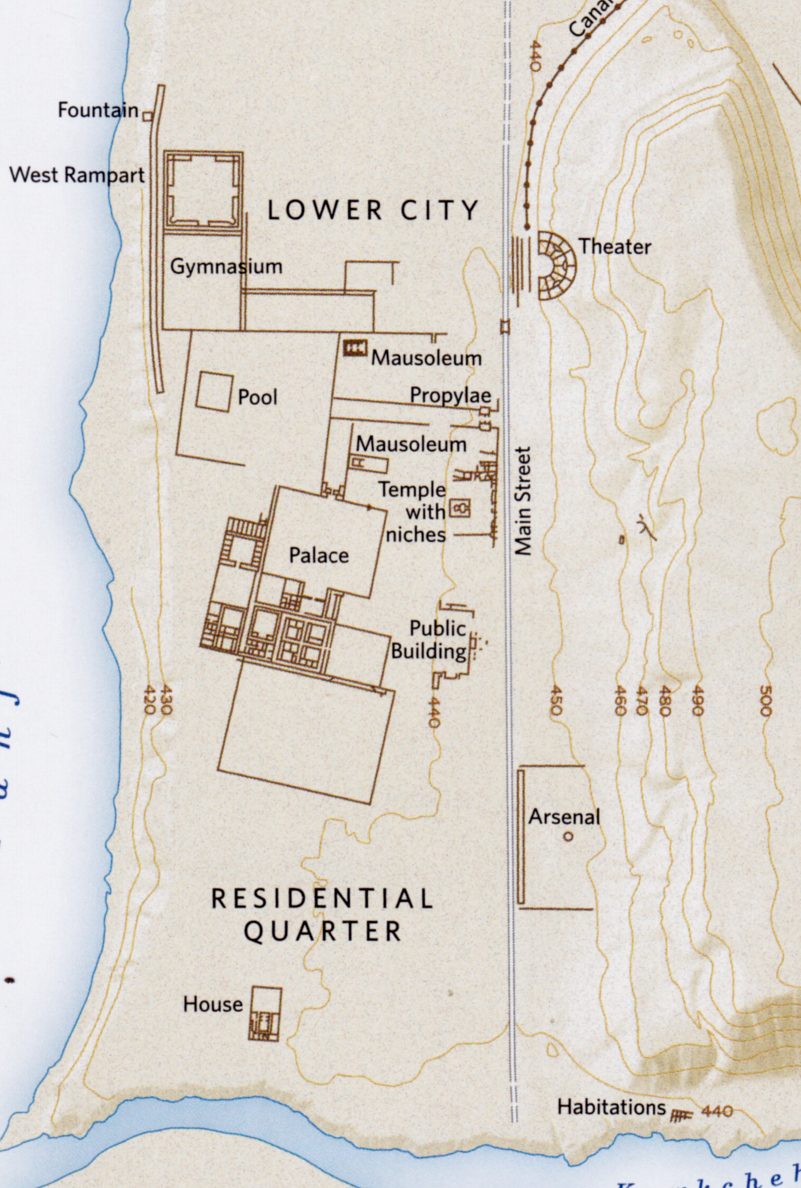
But two features of Greek influence were found, a theatre built into the hillside and also, surprisingly, a gymnasium. Indeed the excavators discovered a statue that they think may have been of the gymnasiarch, the Director of the gymnasium – and also a sun dial. The theatre appeared to have been used too, as there was a water spout discovered with the laughing face of a slave cook, a typical figure of comedy, laughing with mouth wide open because he has just told a dirty joke.
There was an interesting aftermath in India itself: Alexander’s incursion was followed by a remarkable Indian empire on the other side of India centred on the River Ganges, which rivaled Alexander’s for size. This was the Mauryan Empire which began on the River Ganges, but then spread right across India into territory of the rival river the Indus. The empire was spread by the great ruler Asoka (ruler 268-232 BC), who was entirely lost to history until the British rediscovered him. Under him Buddhism spread throughout India.
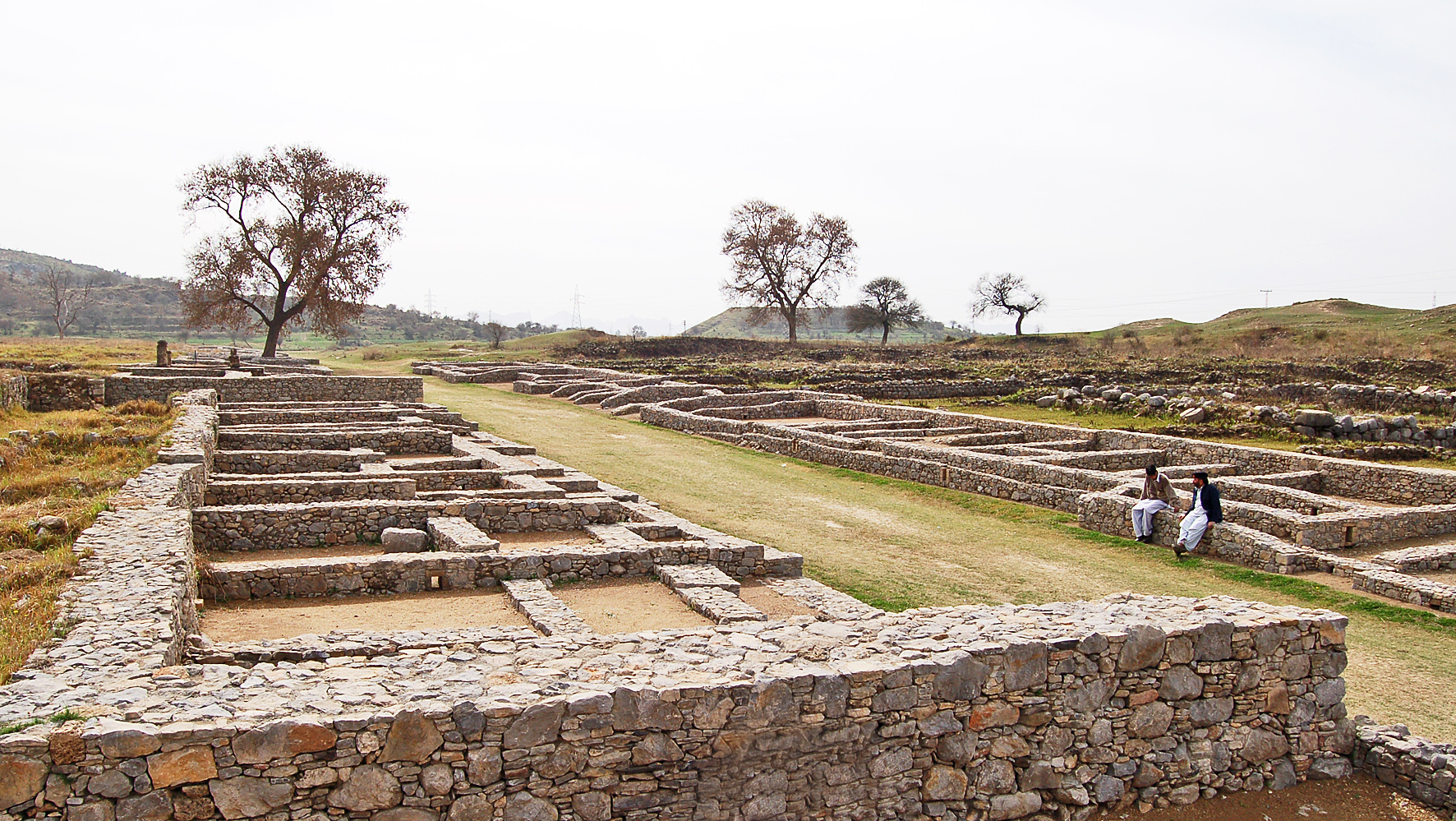
Further Greek influence can be seen in the Gandhara empire based on Peshawar and the archaeological site at Taxila excavated by Sir John Marshall.
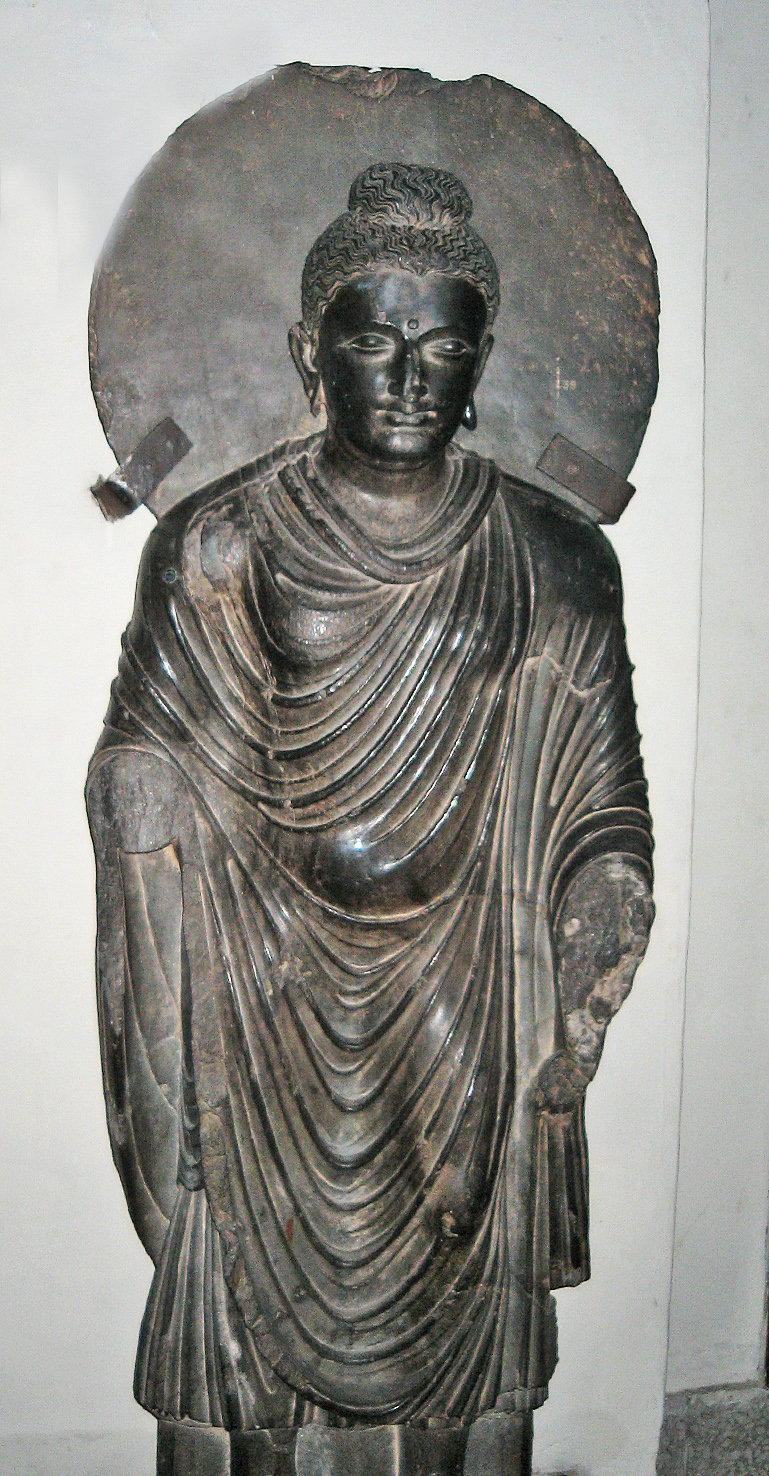
The Gandharan empire produced a remarkable amalgam of the Hindu, Buddhist and Greek religions with many large statues of the Buddha clothed in flowing Greek (?) drapery.
Conclusion
The Hellenistic period is a difficult one to understand: it is not so much decline and fall, but rather decline and rise, for Greece became wealthier and its influence spread much wider than in the 5th century. Perhaps the most remarkable Hellenistic figure was the philosopher Aristotle who was Plato’s successor. Aristotle was somehow much more down-to-earth and much more influential than Plato. Plato’s most famous work was his ‘Republic’ where he debated his way through an ideal republic with little reference to contemporary realities. When Aristotle wrote his book on ‘Politics’ – and the name of his book has given its name to the whole subject – he began by setting his pupils to collect the constitutions of some 158 Greek states. Only that of Athens has survived, but his analysis was based on these very real constitutions. But the breadth of his learning was astounding and he has given the name to a whole range of subjects – ethics, for instance and poetics, to say nothing to numerous works on biology and medicine. His works do not have the rhetorical lure of Plato whose question and answer dialogue makes them all a delight to read, but Aristotle is the one who has had the most influence. His experimental techniques and power of description and his technique of trying to categorise everything comes very close to the secrets that underlie the Industrial Revolution and modern capitalism.
But what happened to the great ideals of freedom and democracy that illuminate the 5th century? Freedom as a concept certainly survived but it took on a new meaning. Democracy mainly survived at Athens, but the ideals of the polis, the city state, become very influential. The new polis tended to combine both a civic centre with town hall and law courts and theatre, together with the existence of a palace, even though the palace plays little part in the economy, and does not dominate the lives of citizens as in the palatial economy. In many ways, it foreshadows what happened in Rome when Rome was changed from a republic to an empire, when Roman towns became city states, centred around a forum and town hall, and the citizens in the high empire really did have that entrepreneurial feeling that is the great benefit of freedom. And it is to the Roman conquest, or rather takeover of Greece that we must now turn.
12th February 2016